If you want to see more Hummingbirds in your yard, these potted plants will attract them.
Growing the right flowers in containers can turn any outdoor area into a hummingbird feeding station. These birds look for bright colors and nectar-rich blooms to get the energy they need. We’ll cover specific plant options that work well in pots. But also practical tips for making a space that hummingbirds will visit again and again.
Fuchsia
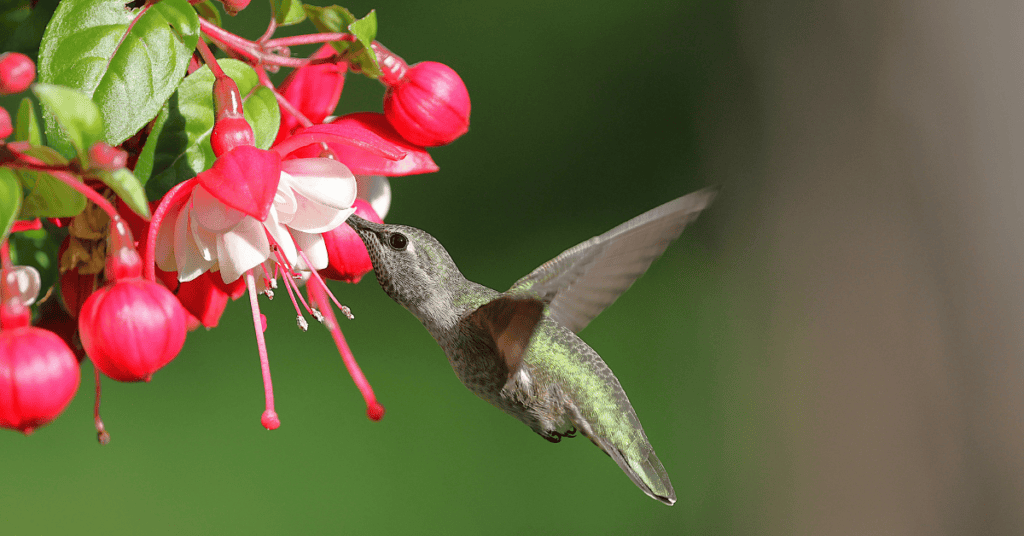
Fuchsia plants are one of the best choices for anyone who wants to attract hummingbirds to their patio or balcony. These beautiful flowers produce lots of nectar that hummingbirds love to drink.
The flowers hang in a drooping shape, making it easy for hummingbirds to feed from them. Most fuchsia blooms come in bright colors like red, pink, and purple. These vibrant shades catch hummingbirds’ attention from afar.
Fuchsias work great in containers and hanging baskets. They bloom throughout the summer, providing hummingbirds with a steady food source. A bonus is that these plants do well in partial shade, which makes them perfect for covered patios or areas that don’t get full sun all day.
If you want even more information: Check out our full guide on plants that attract hummingbirds.
Salvia
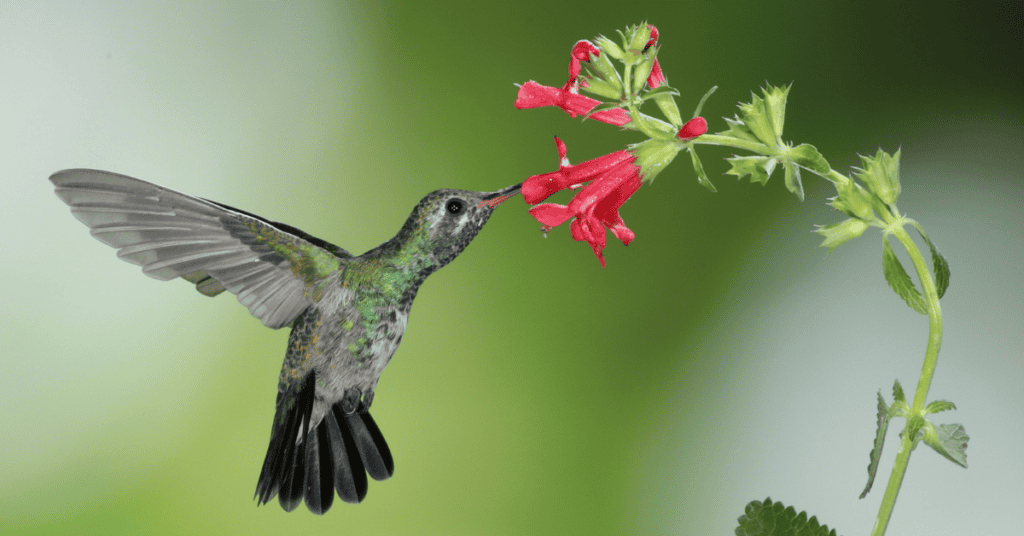
Salvia is another awesome choice for potted plants that attract hummingbirds. These colorful flowers produce tubular blooms that perfectly match how hummingbirds feed. The nectar-rich flowers keep these tiny birds coming back throughout the growing season.
Many different types of salvia work well in containers. Salvia plants come in various colors, including red, purple, pink, and blue. The tall flower spikes make it easy for hummingbirds to spot them from a distance. Most varieties grow well in pots and don’t require complicated care.
These plants thrive in sunny spots on patios, balconies, and decks. They can handle dry conditions better than many other flowering plants. Gardeners can choose from both annual and perennial varieties depending on their climate and preferences.
The combination of bright colors, tubular shape, and abundant nectar makes salvia an ideal choice for anyone wanting to attract hummingbirds to their outdoor space.
Bee Balm (Monarda)
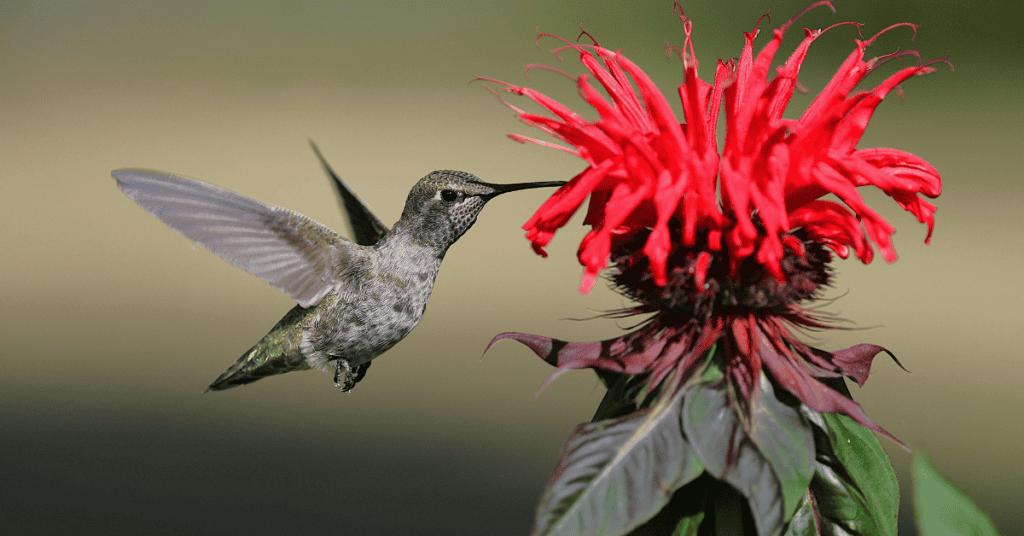
Bee balm is one of the best flowers for attracting hummingbirds to container gardens. This native plant produces bright tubular blooms in red, pink, or purple that hummingbirds find hard to resist.
The flowers work well for hummingbirds because of their shape and color. Ruby-throated hummingbirds especially love these plants. The tubular petals make it easy for hummingbirds to reach the nectar inside.
Bee balm grows well in pots and doesn’t need much special care. Gardeners can place containers on patios, porches, or balconies to bring hummingbirds closer to viewing areas. The plant blooms throughout summer, providing a steady food source.
A bonus is that this perennial also attracts bees and butterflies, while deer and rabbits usually leave it alone. Container-grown bee balm needs regular watering and a spot with good sunlight.
Gardeners who want to support hummingbirds will find bee balm a reliable choice. To note, the plant comes back year after year in the right conditions, making it a lasting addition to a pollinator-friendly garden.
Zinnia
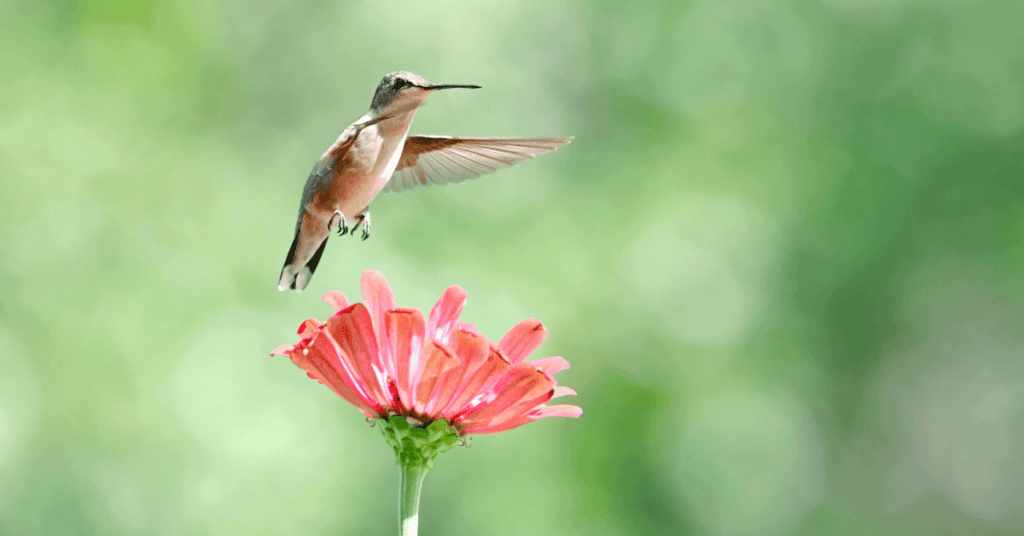
Zinnias are colorful annual flowers that work great for attracting hummingbirds to container gardens. These bright blooms come in red, pink, orange, yellow, and purple shades, attracting the attention of passing hummingbirds.
The flowers produce plenty of nectar that hummingbirds love to drink. While zinnias don’t have the classic tubular shape that hummingbirds prefer, their abundant nectar and vibrant colors make up for it. The birds can still access the nectar with their long beaks.
Growing zinnias in pots is simple and budget-friendly. I’ll usually start them from seeds, which keeps costs low. These plants need full sunlight and regular watering to thrive in containers.
Zinnias bloom from late spring through fall, giving hummingbirds a reliable food source for months. The flowers keep producing new blooms throughout the growing season, especially when gardeners remove spent flowers.
These annuals grow well in a variety of pot sizes. They pair nicely with other hummingbird favorites, such as salvias or bee balm. Which, in turn, can create an attractive container display that attracts more birds to patios and decks.
Trumpet Vine
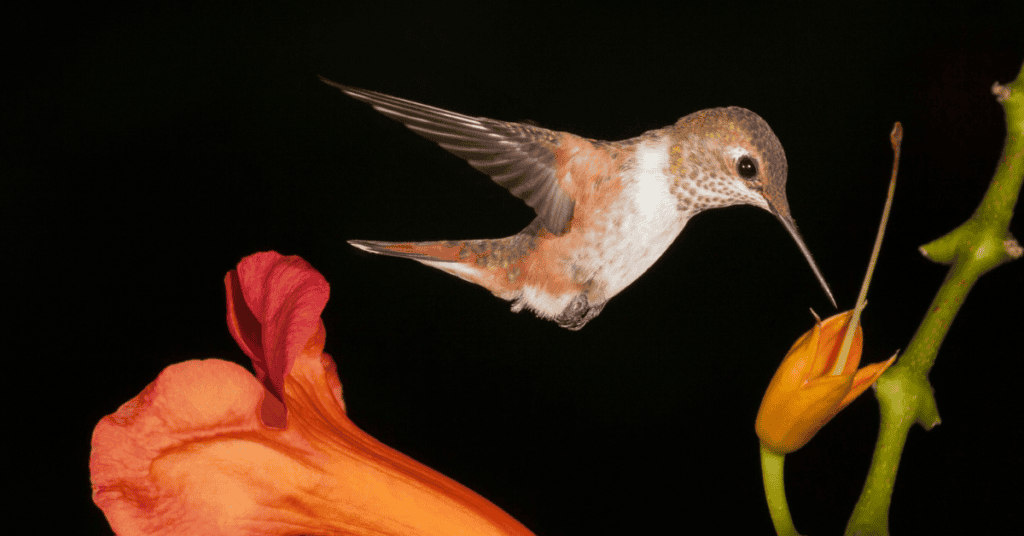
Trumpet vine will definitely attract hummingbirds. This flowering vine produces bright, tubular-shaped blooms that hummingbirds love to visit for nectar.
The plant grows well in containers, making it a practical option for patios and balconies. Trumpet vine can reach impressive heights and creates a beautiful display when trained on a trellis or arbor. New flowers appear regularly throughout the growing season, giving hummingbirds a steady food source.
Gardeners should place their potted trumpet vine where they can easily watch visiting hummingbirds. The vine grows quickly and needs some maintenance to keep it under control. Regular pruning helps manage its size, especially when grown in pots.
The tubular flowers come in shades of red and orange, colors that naturally attract hummingbirds. The shape of the blooms allows hummingbirds to easily reach the nectar with their long beaks and tongues. This makes trumpet vine an effective plant for anyone looking to create a hummingbird-friendly container garden.
Cigar Plant (Cuphea ignea)
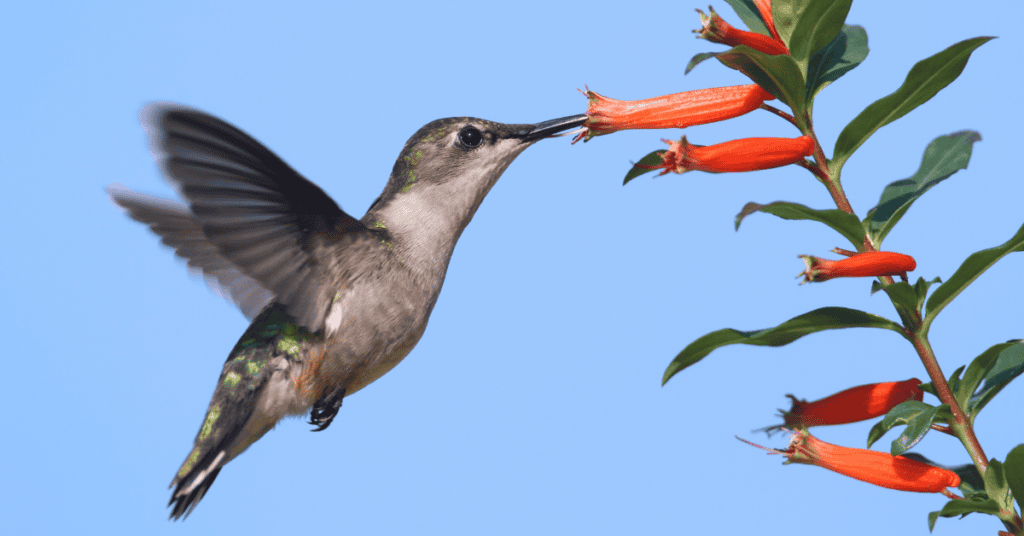
The Cigar Plant gets its fun name from its unusual flowers. Each bloom looks like a tiny red-orange cigar with a black tip and white edge. These tubular flowers grow in clusters and appear from late spring through fall. Did you know that the Bee Hummingbird LOVES the Cigar plant?
Hummingbirds love visiting this plant because the flowers are packed with nectar. The bright red-orange color catches their attention from far away. Butterflies and bees also stop by for a snack.
This plant grows well in hot, sunny spots. It keeps blooming all season long without much fuss. Gardeners can grow it in containers or garden beds.
The Cigar Plant originally comes from Mexico and works as a perennial in warm climates. In cooler areas, people often grow it as an annual. Some gardeners even bring it indoors during winter to keep it going year-round.
The plant has a bushy, rounded shape with evergreen leaves. It grows quickly and can handle drought once established. This makes it a practical choice for busy gardeners who want to attract hummingbirds without spending lots of time on maintenance.
Coral Bells (Heuchera)
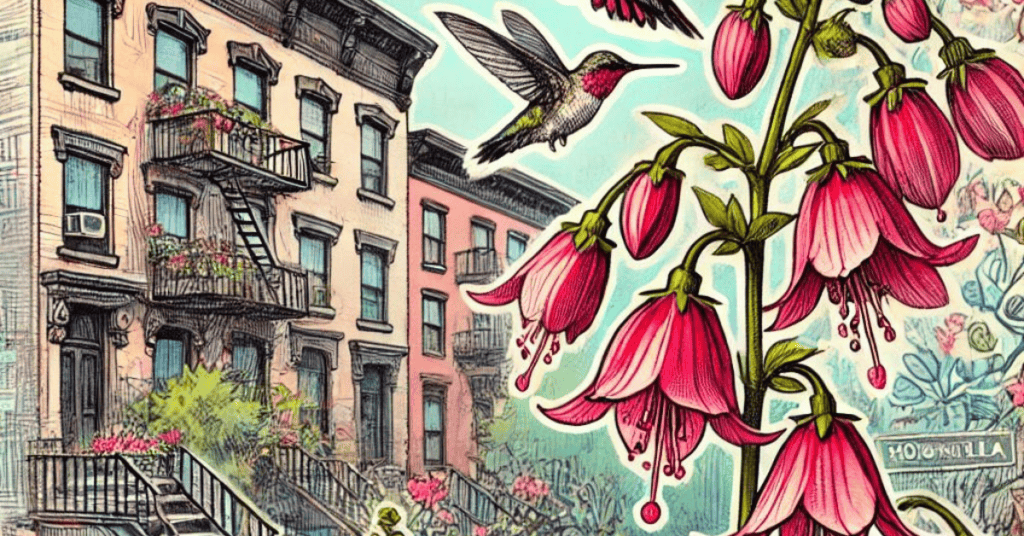
Coral bells are a fantastic choice for container gardens that attract hummingbirds. These North American native plants produce small, bell-shaped flowers in colors like coral, red, pink, and white. The tubular blooms are filled with nectar that hummingbirds love.
What makes coral bells special is their long blooming period. The flowers last for weeks, giving hummingbirds a steady food source throughout the season. This keeps the tiny birds coming back to the garden regularly.
Beyond their attractive flowers, coral bells offer colorful foliage that adds visual interest to any pot. The leaves come in shades of green, purple, lime, gold, and rose. Some varieties even have variegated patterns. These heart-shaped or round leaves form neat mounds that look good even when the plant isn’t flowering.
Coral bells work well in containers because they stay compact and don’t require much space. They grow best in partial shade, making them perfect for spots where other sun-loving plants might struggle. Gardeners can plant them in spring or fall for the best results.
Petunia
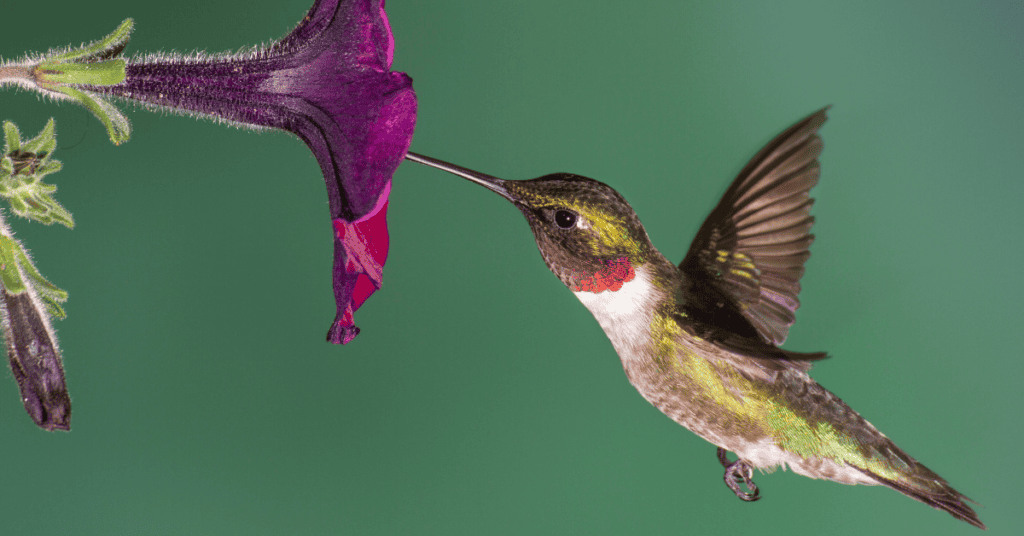
Petunias are classic garden flowers that work wonderfully in pots. Their trumpet-shaped blooms produce nectar that hummingbirds love to feed on. The best thing about them is that they are low-maintenance and can bloom all summer long.
Hummingbirds are especially drawn to petunias that come in red shades. Red is their favorite color, making these varieties particularly effective at attracting the tiny birds. However, petunias in other bright colors, such as purple, pink, and orange, also catch their attention.
These flowers thrive in containers on patios, balconies, and porches. Gardeners can place potted petunias near windows or seating areas to enjoy watching hummingbirds up close. The plants need regular watering and plenty of sunlight to keep producing blooms.
One major benefit of petunias is their long blooming season. They continue flowering from spring through fall, providing a reliable food source for hummingbirds. This extended bloom time makes them valuable during late summer migration periods when the birds need extra energy.
Petunias pair well with other hummingbird favorites like salvias and fuchsias. Together, these potted plants create an attractive feeding station that will bring repeated visits from these fascinating birds.
Honeysuckle
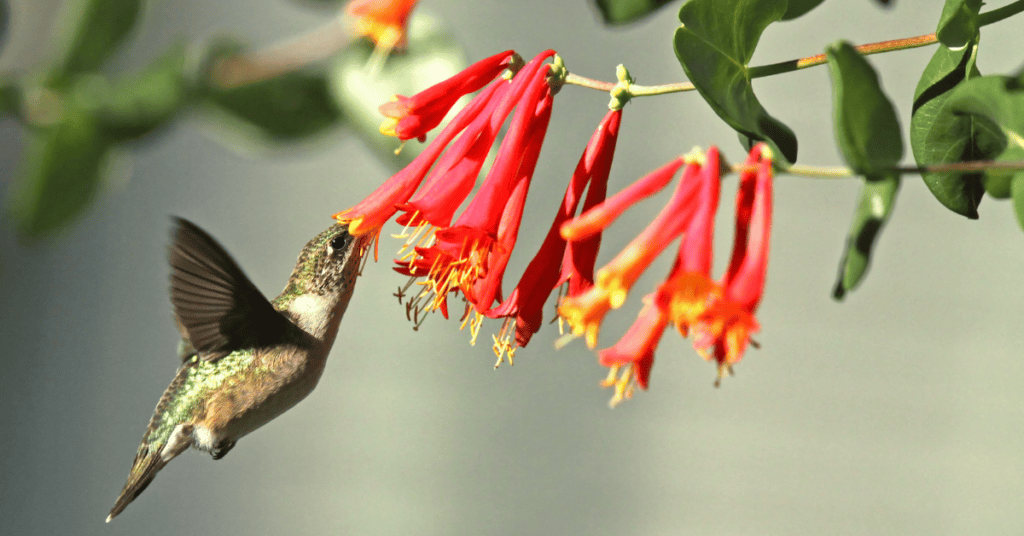
Honeysuckle vines are excellent choices for attracting hummingbirds to patios and gardens. These plants produce tubular flowers that are perfect for a hummingbird’s long beak and tongue.
The bright blooms come in shades of red, orange, yellow, and pink. Hummingbirds can spot these vibrant colors from far away. The flowers also produce a sweet fragrance that adds to the garden’s appeal.
Trumpet honeysuckle is one of the best varieties for hummingbirds. It grows well in containers and doesn’t spread as aggressively as some other types. The plant needs a trellis or support structure since it’s a climbing vine.
Honeysuckle thrives in full sun to partial shade. Gardeners should water the plant regularly, especially during hot weather. The vine blooms from late spring through summer, giving hummingbirds a long-lasting food source.
Container-grown honeysuckle needs well-draining soil and a pot that’s at least 12 inches deep. The roots need room to grow and establish themselves. With proper care, these plants will return year after year in most climates.
Impatiens
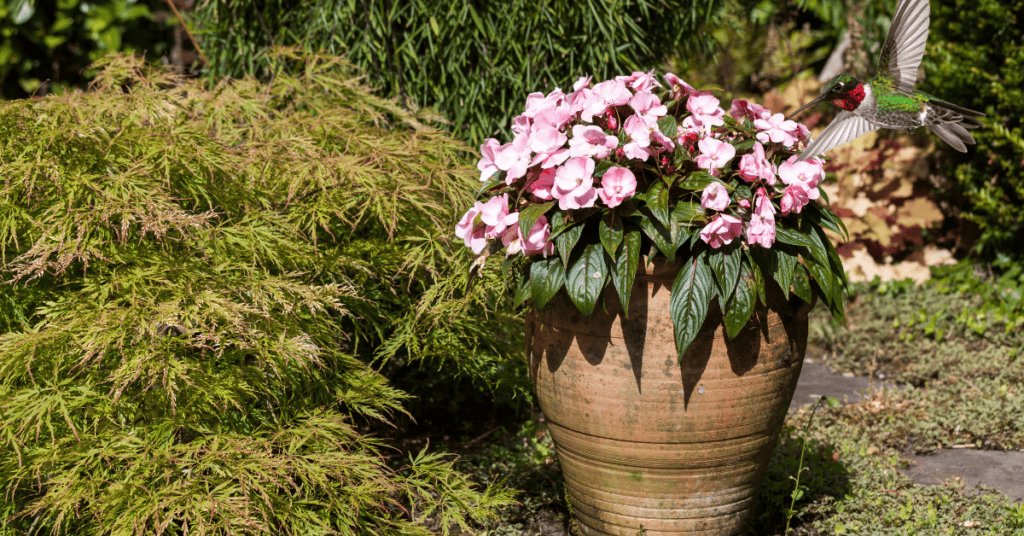
While Impatiens are not as popular with hummingbirds as some of the other ones on our list, they are still a good choice.
Gardeners appreciate impatiens because they grow well in containers and hanging baskets. They thrive in shady areas where many other flowering plants struggle. This makes them perfect for balconies or patios that don’t get full sun.
The flowers come in many colors including red, pink, orange, white, and purple. Hummingbirds are especially drawn to the red and orange varieties. Impatiens bloom continuously throughout the growing season, providing a steady food source for visiting hummingbirds.
These plants work well in cooler zones as annuals. In warmer climates like zones 10 and 11, they can grow as perennials. Gardeners should keep the soil moist since impatiens prefer consistent watering. They don’t tolerate drought well.
Impatiens are easy to care for and don’t require much maintenance. They pair nicely with other hummingbird-friendly plants in mixed containers to create an attractive display that will keep bringing these fascinating birds back throughout the season.
Why Hummingbirds Love Potted Plants
Hummingbirds need to eat every 15 minutes and visit up to 1,000 flowers daily to survive. Potted plants offer the bright colors, tubular flowers, and easy access to nectar that these tiny birds require.
Understanding Hummingbird Behavior
Hummingbirds are attracted to specific features when they search for food. They look for bright colors like red, orange, pink, and purple because these shades signal nectar-rich flowers. Their eyes are specially designed to spot these vibrant hues from far away.
These birds prefer tubular-shaped flowers that match their long, thin beaks perfectly. The shape keeps larger insects and birds away from the nectar, giving hummingbirds exclusive access to their food source. They hover in front of flowers and use their specialized tongues to lap up nectar quickly.
Hummingbirds visit the same feeding spots repeatedly once they find reliable food sources. They remember which plants provide the most nectar and return to these locations throughout the day.
Benefits of Container Gardening for Pollinators
Container gardening works well for people with limited space, poor soil, or no ground planting areas. Pots can be placed on patios, balconies, porches, and small yards where traditional gardens won’t fit. This flexibility lets anyone create a hummingbird-friendly space.
Potted plants can be moved around to find the best sun exposure or to create clusters that attract more hummingbirds. Gardeners can arrange containers at different heights to mimic natural feeding zones. Pots also make it easier to maintain plants and replace them when blooms fade.
Container benefits include:
- No need to dig or clear ground space
- Better control over soil quality
- Easy plant rotation for continuous blooms
- Protection from ground pests
Tips for Creating a Hummingbird-Friendly Patio
Placing containers in the right spots and adding a few extra features can turn any patio into a space where hummingbirds want to spend time. The location of plants matters just as much as the plants themselves, and simple additions like feeders or water sources help keep these birds coming back.
Best Locations for Potted Plants
Hummingbirds prefer areas that offer both food and safety. Place potted plants near natural perches like small trees or shrubs where birds can rest between feeding sessions. They need these spots to watch for predators and catch their breath.
Group containers at different heights to create layers of flowers. Hanging baskets work well when paired with pots on tables or the ground. This arrangement gives hummingbirds more options and makes the space feel more natural to them.
Morning sun with afternoon shade works best for most nectar-rich plants. This lighting also keeps flowers blooming longer and prevents them from drying out too quickly. Avoid placing containers in areas with strong winds, as hummingbirds struggle to feed when plants move around too much.
Keep potted plants near windows or seating areas for better viewing opportunities. Just make sure containers are at least three feet from windows to prevent bird strikes.
Complementary Features: Feeders and Water Sources
Feeders provide nectar during times when flowers aren’t blooming. Check out our DIY hummingbird nectar recipe. Hang them about 10 to 15 feet away from potted plants to spread hummingbirds throughout the patio. This spacing reduces competition between birds and gives each one more feeding options.
Clean feeders every three to five days with hot water to prevent mold growth. Use a solution of one part white sugar to four parts water, and skip the red dye since it’s unnecessary and potentially harmful.
Hummingbirds need water for drinking and bathing. A shallow birdbath with a depth of one to two inches works well, or add a small fountain that creates moving water. These birds are attracted to the sound and sight of dripping or misting water.
Place a mister near potted plants on hot days. Hummingbirds will fly through the spray to cool off and clean their feathers.