Making your own hummingbird food at home is easier than you might think and costs much less than buying pre-made nectar. You only need two simple ingredients—white sugar and water—mixed in the right ratio to create safe, healthy nectar that hummingbirds love. This homemade version skips unnecessary additives like red dye that store-bought options often include.
Learning to make hummingbird nectar yourself gives you complete control over what goes into your feeder. You’ll know exactly what these tiny birds are eating when they visit your yard. The process takes less than five minutes and uses items you probably already have in your kitchen.
Preparing hummingbird food the right way is easy, you just need some backstory on the process! You’ll learn the proper sugar-to-water ratio, how to keep your feeder clean and safe, and what mistakes to avoid that could harm visiting hummingbirds. You’ll also discover helpful tips for making your yard more attractive to these beautiful birds throughout the season.
Essential Ingredients for Safe Nectar
Making hummingbird food requires only two ingredients: white granulated sugar and water. The quality of these ingredients and what you choose to avoid directly affects the health of visiting hummingbirds.
Why Use White Granulated Sugar
White granulated sugar is the only safe sweetener for homemade hummingbird food. It closely matches the natural sucrose found in wild flower nectar that hummingbirds feed on.
Do not use honey in your hummingbird nectar. Honey ferments quickly and promotes dangerous fungal growth that can kill hummingbirds. It also contains different sugars than what hummingbirds need.
Avoid other sugar substitutes, such as brown sugar, powdered sugar, or organic sugar. Brown sugar contains molasses and iron, which hummingbirds cannot digest properly. Powdered sugar contains cornstarch as an anti-caking agent, which offers no nutritional value. Artificial sweeteners provide zero calories and will starve the birds.
The Role of Water Quality
Use clean, fresh water when making your nectar. Tap water works fine in most areas unless you have heavily treated or sulfurous well water.
If your tap water tastes bad to you, it’s not good for hummingbirds either. Spring water or filtered water makes a better choice in these cases. The water should be clear and free from chlorine smell or metallic taste.
Some people boil their water to remove impurities and help dissolve the sugar completely. This step isn’t required, but it can extend the nectar’s shelf life by a day or two.
Unsafe Ingredients to Avoid
Never add red food coloring or dye to your hummingbird food. We do know why so many feeder manufacturers often include red parts to attract birds. But the nectar itself doesn’t need to be red. Research hasn’t proven red dye is safe for hummingbirds, so skip it entirely.
Don’t add vitamins, minerals, or flavor extracts. Hummingbirds get these nutrients from insects and pollen, not from nectar. Extra additives can harm their digestive systems.
Store-bought nectar mixes often contain preservatives and red dye. Making your own nectar costs less and gives you complete control over what goes into your feeder.
Step-By-Step Guide to Making Hummingbird Food
Making hummingbird food requires only sugar and water mixed in the right ratio, then heated and cooled before use. The process takes about 10 minutes of active time, and you can make batches of different sizes to store for later.
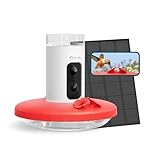
- Watch Hummers’ Graceful Moves on Your Phone. The side-swivel ports are designed for two hummingbirds to drink together comfortably, bringing their beauty right to your phone in crisp 1080P full HD video quality. Enjoy an up-close view of their graceful flight and shimmering feathers.
- Never Miss a Moment with Auto-Capture & Alerts. The Birdfy Hum Feeder smart hummingbird feeder automatically records videos of every visit and sends instant alerts to your phone. Videos are auto-uploaded to the cloud with 30-day storage, so you can easily view and share clips anytime, anywhere.
- AI Recognition of 150+ Hummingbird Species. Birdfy AI uses a vast database and advanced machine learning to accurately identify over 150 hummingbird species. Explore the world of hummingbirds and learn more about each species through the Birdfy app. *Try this AI Recognition feature with a 7-day trial then subscribe for continued access.
- Enjoy Endless Birdwatching Fun with Birdfy. Download the Birdfy app to watch live feeds, receive instant alerts, save auto-recorded clips, organize memorable moments, and easily share them with friends. Plus, you can activate the AI recognition service for daily highlights and monthly recaps of your feeder visitors.
- Easy to Clean, Refill and Solar Powered. Designed for convenience: features a 14oz easy-to-refill reservoir, a built-in ant moat to keep ants and bees away, and a 9000mAh built-in battery with a solar panel for long-lasting performance. Never miss a visit due to power issues!
Correct Sugar-to-Water Ratio
The proper ratio for hummingbird food is 1 part white granulated sugar to 4 parts water. This means if you use 1 cup of sugar, you need 4 cups of water.
This ratio closely matches the natural sugar content found in flower nectar. Using more sugar makes the mixture too thick and can harm hummingbirds’ kidneys. Using less sugar won’t give them enough energy.
You must use only white granulated sugar. Never use honey, brown sugar, artificial sweeteners, or organic sugar. These options can cause serious health problems for hummingbirds.
Don’t add red food dye or any coloring. The color serves no purpose and may harm the birds. Your feeder’s red parts will attract them just fine.
How to Dissolve and Cool the Mixture
Boil the water first, then remove it from the heat. Add your measured sugar to the hot water and stir until it completely dissolves.
You can also bring the sugar-water mixture to a boil together for 1-2 minutes. Boiling helps the sugar dissolve fully and removes some impurities from tap water. It also helps the nectar last longer in storage.
Let the mixture cool to room temperature before filling your feeder. Hot nectar can warp plastic feeders and harm the birds. This cooling process usually takes 1-2 hours at room temperature.
You can speed up cooling by placing the container in a cold-water bath or a refrigerator. Just make sure it reaches room temperature or cooler before use.
Hummingbird Food Batch Size Adjustments
Scaling the recipe up or down based on how many birds you’ve been noticing is a good start. Small batch: 1 cup water + ¼ cup sugar. Medium batch: 4 cups water + 1 cup sugar. Large batch: 8 cups water + 2 cups sugar.
Always maintain the 4:1 water-to-sugar ratio regardless of batch size. A larger batch saves time since you can store extra nectar in the refrigerator.
Consider how many feeders you have and how often hummingbirds visit. If you have lots of visitors, a bigger batch makes sense. If you only get a few birds, stick with smaller amounts to keep the food fresh.
Storing Homemade Nectar
Store unused nectar in the refrigerator in a clean, sealed container. Glass jars or plastic bottles with tight lids work well.
Refrigerated nectar stays fresh for up to two weeks. Label your container with the date you made it so you know when to throw it out.
Never ever leave nectar at room temperature for more than a day, as it can quickly grow mold and bacteria. In your feeder, change the nectar every 3-5 days in cool weather and every 2-3 days when temperatures rise above 80°F.
If you see any cloudiness, mold, or black spots in stored nectar or your feeder, dump it out immediately and clean everything thoroughly.
Filling and Maintaining Your Hummingbird Feeder
Proper feeder care requires both correct filling techniques and regular cleaning to keep hummingbirds healthy. A 4:1 water-to-sugar ratio provides the right energy source, while consistent maintenance prevents harmful mold and bacteria growth.
Best Practices for Filling Feeders
Fill your hummingbird feeder with fresh nectar made from four parts water to one part white sugar. Never add red dye, honey, or artificial sweeteners to the mixture.
If you just cleaned it, before adding new nectar, make sure the feeder is completely dry. Thenfill the reservoir to the appropriate level, as specified by your feeder’s design. Most feeders work best when you fill them about 3/4 full.
Pick a spot in a shaded area to keep the nectar from spoiling quickly. Direct sunlight speeds up fermentation and allows harmful bacteria to grow. Hang the feeder where you can easily reach it for regular refills and cleaning.
Change the nectar every 3-5 days in moderate weather. In hot temperatures above 90°F, replace it every 1-2 days. If you notice the nectar looks cloudy or you see black mold, dump it out immediately and clean the feeder.
Step by Step: Let’s Talk About Cleaning Bird Feeders Thoroughly

Clean your hummingbird feeders at least twice per week during peak season. We use hot water and a bottle brush to scrub all parts of the feeder. Don’t forget to check the feeding ports and small crevices where mold can hide.
If you see mold, slime, or residue, soak your feeder parts in a solution of 1 part white vinegar to 4 parts water for 1 hour or more. Don’t use bleach, as that will harm the birds. Scrub it thoroughly with a brush after soaking. Rinse all components completely with hot water to remove any vinegar smell.
Avoid using soap or harsh chemicals, as these cleaners can harm hummingbirds. If you must use dish soap, because you are out of vinegar, rinse the feeder at least 5 times with hot water.
Check feeding ports and perches for cracks or damage during each cleaning. Replace any worn parts to prevent leaks and keep birds safe from sharp edges.
Tips for Attracting Hummingbirds to Your Yard
It’s all about, first setting up feeders in the right spots. Then, selecting proper feeder designs, while adding the right plants. All of these things will bring hummingbirds to your yard consistently. These three elements work together to create an environment where hummingbirds feel safe and find the food they need.
Things to Think About for Feeder Placement
Place your hummingbird feeder 10 to 15 feet from trees or shrubs where birds can perch and rest between feedings. We love to give them quick access to cover if predators appear.
Position feeders in partial shade rather than direct sunlight. Shade keeps the nectar fresh longer and prevents it from spoiling in hot weather. You should move all your feeders to shadier spots during the summer months if needed.
Hang feeders at eye level or slightly higher, typically 4 to 6 feet off the ground. This height makes them easy for you to clean and refill while keeping them visible to passing hummingbirds.
Space multiple feeders at least 10 feet apart if you use more than one. Hummingbirds are territorial and will fight over feeding spots. Separating feeders lets more birds eat at the same time without conflict.
How to Choose the Feeder Styles
Bottle feeders with inverted reservoirs are the most popular style. They hold nectar in a clear container so you can monitor the levels. Look for feeders with red bases or red flower-shaped ports, as hummingbirds are attracted to red. In this article, we’ll include some affiliate links to great feeders. We earn a commission if you purchase one of our suggestions.

- 【2K HD Dual Smart Cameras for Hummingbirds】 Our world's first hummingbird feeder camera provides 2K stunning close-up pictures and videos from the front and side view, enabling you to watch the high-definition vibrant neck feathers of hummingbirds from multi-angle to appreciate their elegance, as like just under your eyes. you'll gain upgraded experience with a comprehensive and detailed understanding of them. Premium frosted texture Exquisite compact design red attracts hummingbirds.
- 【Never Miss a hummingbird visit【 With our market-leading, highly sensitive motion detection technology, whenever a hummingbird visits, the smart camera will instantly and automatically capture the hummingbird's vivid footage, generate a 20s video, and send a notification to your phone, so you will never miss the precious hummingbird moments. you can just enjoy watching hummingbirds anytime, anywhere!
- 【Instant Notification & Online Live Interaction】 The Birdfy APP will notify you in real-time once a bird is visiting, and you can have live watching, speaking, and more interesting interactions with the bird. The cameras will capture many 20s videos, so you can watch your highlight bird videos when free. It will enhance interaction and bonding with your backyard birds
- 【Easy Hanging & Cleaning, Ant Moat】 Equipped with a hanging hook and rear mounting bracket, the smart hummingbird feeder can be placed in 2 ways anywhere in your backyard. A detachable rotating base and a brush set help you clean the 20oz transparent reservoir easy and the patented design of ant moat, adding water from the top to prevent ants from approaching.
- 【Easy to Share & Innovative Gift】 Our Birdfy App enables you to share your smart hummingbird feeder device with over 20 people, so they can also enjoy the same upgraded hummingbird-watching journey Birdfy App. Also, you can share some Wow moments in our bird-lover community with bird lover worldwide. With over 3000+ media endorsements for Birdfy, it has been a popular innovative gift for everyone!
Saucer-style feeders sit flat with feeding ports on top. These models are easier to clean and less likely to leak than bottle designs. They also prevent bees and wasps from reaching the nectar as easily.
Choose feeders with at least 4 to 6 feeding ports. More ports mean more birds can feed without competing. Select feeders that come apart completely for thorough cleaning every 3 to 4 days.
Avoid feeders with yellow decorations because they attract bees. Skip any feeder with perches that are too small, as hummingbirds need to rest while drinking.
Using Plants That Attract Hummingbirds – This is the Best Method

Plant native flowers that produce tubular blooms in red, orange, or pink colors. What do hummingbirds eat in nature? They feed on nectar from flowers, so planting the right species gives them natural food sources.
Top flower choices include: These can also work as potted plants that attract hummingbirds.
- Bee balm
- Salvia
- Cardinal flower
- Trumpet vine
- Columbine
- Fuchsia
Group flowers in clusters rather than scattering single plants. Dense plantings are easier for hummingbirds to spot from a distance.
Definitely include a variety of flowers that bloom at different times throughout spring, summer, and fall. This rotation provides food from April through October in most regions. Pair early bloomers, such as columbine, with late-season flowers, such as salvia, to extend the feeding period.
Here are some great ideas for flowers that attract hummingbirds.
Avoid using pesticides on your flowers. Hummingbirds also eat small insects and spiders for protein, so a pesticide-free yard gives them complete nutrition.
NO-NOs for Hummingbird Food Recipes
Making DIY hummingbird food seems super simple, but watch for these things. Using the wrong ingredients or failing to spot spoiled nectar can turn your feeder from a helpful food source into a health risk.
Why Not to Use Honey or Artificial Sweeteners
Do not use honey in your hummingbird nectar. Honey promotes dangerous fungal growth that can kill hummingbirds. When honey ferments in the feeder, it creates harmful bacteria and black mold spores that attack the birds’ tongues and digestive systems.
Did you know that artificial sweeteners are dangerous? Plus, they do not provide nutritional value to hummingbirds. These birds need real calories to fuel their fast metabolisms and constant wing movement. Sweeteners like stevia, aspartame, or sucralose cannot provide the energy hummingbirds require.
Stick with white granulated sugar only. This is the closest match to natural flower nectar. White sugar dissolves easily in water and provides the simple carbohydrates hummingbirds need without added chemicals or processing agents.
The Dangers of Red Dye and Additives
Red dye has no place in hummingbird food. The dye contains chemicals that may damage the birds’ kidneys and liver over time. Hummingbirds are naturally attracted to red feeders, so the nectar itself does not need color.
Store-bought hummingbird food may contain red dye and preservatives. These additives can accumulate in birds’ small bodies, causing long-term health problems. Making your own nectar with just sugar and water is safer and cheaper.
Your feeder’s red plastic or glass is enough to attract hummingbirds. They have excellent color vision and will find a bright red feeder without any help from dyed nectar.
Recognizing Spoiled Nectar
Spoiled nectar looks cloudy instead of clear. You might see white or black mold floating in the liquid or stuck to the feeder walls. Any cloudiness means bacteria are growing in the sugar water.
Change your nectar every 2-3 days in hot weather above 90°F. In cooler temperatures between 70 and 80°F, you can wait 5-6 days. Cold weather below 70°F allows nectar to last up to one week.
Watch for these warning signs:
- Cloudy, slimy, or milky appearance
- Black spots or film on the nectar or walls
- Bubbles forming when the feeder hasn’t been moved
- Nectar that smells fermented or sour
Empty and clean your feeder immediately if you see any of these things. Rinse it with hot water and scrub away all residue before refilling.