
It’s true that most birds will keep their wild instincts even as pets. What this means is that building a strong relationship with them works differently than with dogs or cats. Building a bond with your pet bird requires much more work. You’ll need patience, consistency, and respect for their natural behaviors. When you understand how birds communicate and what makes them feel safe, you can form a trusting connection that benefits both of you.
A good bond makes your bird happier and less stressed. It also makes daily care easier and more enjoyable for you. Through gentle interaction, positive experiences, and understanding their unique personality, you can help your bird see you as part of their flock.
Spend daily time talking softly to your bird to build trust

Talking to your bird every day helps create a bond between you. Birds learn to recognize your voice and associate it with safety and comfort. This makes them feel more secure in their environment.
Speak in a calm, gentle tone when you’re near your bird’s cage. You can tell them about your day, read out loud, or simply describe what you’re doing. (if you have an African Grey these tips can help them talk more) The actual words matter less than the consistent, soothing sound of your voice.
Set aside specific times each day for these conversations. Morning and evening work well for most bird owners. Even five to ten minutes at a time can make a difference in how your bird responds to you.
Your bird will start to show signs of recognition through chirping, head movements, or moving closer when you speak. These reactions mean your bird is becoming comfortable with you. Keep your sessions short at first, especially with new or nervous birds.
Avoid sudden loud noises or quick movements while talking to your bird. This keeps the experience positive and reinforces that you are not a threat.
Offer favorite treats by hand to encourage closeness
Hand-feeding treats is one of the most effective ways to build trust with your bird. When you offer food directly from your hand, your bird learns to see you as a source of good things. This creates a positive link between your presence and enjoyable experiences.
Start by identifying which treats your bird likes best. The best option is to use high-value things like almonds or pistachios. You can cut an almond into tiny slivers to offer more. Other safe options include small pieces of fruit like apples or berries, and vegetables like carrots or peas.
Hold the treat in your palm or between your fingers and let your bird come to you at its own pace. Don’t force the interaction or move your hand suddenly. Your bird needs time to feel comfortable approaching you.
Practice this daily for the best results. Each successful hand-feeding session strengthens your bond and increases your bird’s confidence around you. Move slowly and speak in calm, gentle tones during these moments. The goal is to help your bird associate your hands with safety and rewards rather than fear.
Create a consistent daily routine for meals and interactions
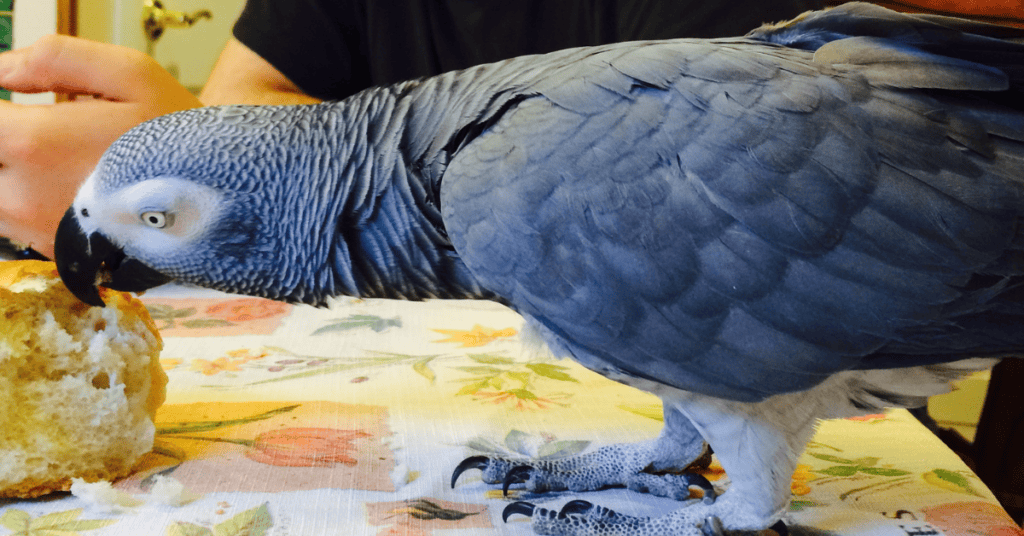
My bird Coco feels more secure when she knows what to expect each day. Set up a feeding schedule that happens at the same times every morning and evening. This helps your bird learn to trust you and reduces anxiety.
Plan regular interaction periods when your bird is most alert. Most birds are active in the early morning and late afternoon. These are the best times to spend quality time together.
Start with 15 to 30-minute sessions each day. You can talk to your bird, offer treats, or work on simple training exercises. If you keep a timer nearby you can maintain a consistent session length.
Small daily actions matter too. Greet your bird with a calm voice each morning when you approach the cage. Say goodnight in the evening before bedtime. These simple habits create familiar patterns your bird will recognize.
Clean the cage and change water at the same time each day. Your bird will start to expect these activities and feel more comfortable around you during routine care tasks.
Use gentle head scratches to show affection
Head scratches are one of the best ways to bond with your bird through touch. Many birds naturally enjoy this type of contact because it mimics how they preen each other in the wild.
Start by approaching your bird slowly and calmly. Let them see your hand coming so you don’t startle them. Gently scratch the back of their head or the area around their neck feathers.
Watch your bird’s body language closely. If they lean into your touch or close their eyes, they’re enjoying it. If they pull away or seem tense, give them space and try again later.
The key is to introduce head scratches gradually. Don’t force the interaction if your bird isn’t ready. Some birds warm up to physical contact quickly, while others need a lot more time to build trust.
Keep your movements soft and predictable. Use just your fingertip to lightly scratch against the direction of their feathers. This helps you reach the skin underneath where they feel it most.
Regular head scratches can strengthen your relationship with your bird over time. Usually I will ask my bird if she wants a pet, if she does, she lowers her head for me to scratch it.
Play bird-safe interactive games like fetch or hide-and-seek
There are so many different types of games that can strengthen your bond with your bird. Plus they can also provide mental stimulation. I’ve seen fetch work well for many parrots and larger birds who enjoy mimicking playful behaviors.
To teach fetch, gently toss a small, lightweight toy, like a soft ball, toward your bird. Say “catch it” as you throw. If your bird picks up the object with their beak, praise them immediately with “good bird” and offer a small treat. Some birds like to toss it back to you.
Hide-and-seek is another interactive game that some birds enjoy. Start by hiding behind furniture or a wall, then make soft clicking sounds with your tongue. Your bird will likely call out or search for you. Stay hidden until they show interest, then reveal yourself with enthusiasm.
My bird likes it when I keep sessions short and positive. So this is what I suggest for you too. Definitely, watch your bird’s body language to ensure they’re comfortable and having fun. Some birds prefer one game over another, so try both to see what your bird enjoys most.
Sing or whistle to your bird to engage their attention
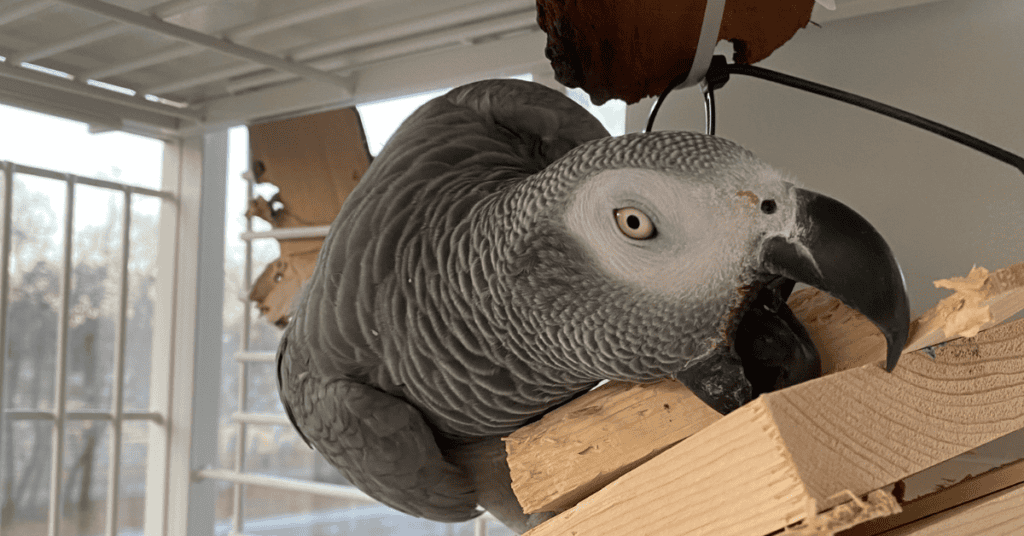
Birds naturally respond to vocal sounds. When you whistle or sing to your bird, you tap into their instinct to communicate through sound. This creates a natural way to bond with your pet.
Many birds, especially parrots, cockatoos, budgies, and canaries, are good at mimicking sounds. If you whistle a tune regularly, your bird may start whistling it back to you. This back-and-forth interaction builds trust and strengthens your connection.
Your bird will likely respond when you talk, whistle, or sing to them. These vocal exchanges encourage your pet to engage with you more often. The more you interact this way, the more comfortable your bird becomes around you.
Start with simple whistles or short songs. Keep your sessions brief at first. Watch how your bird reacts to find out what sounds they enjoy most.
This type of bonding doesn’t require any special tools or training. You just need your voice and some patience. Regular vocal interaction helps reduce your bird’s anxiety. Plus, it also improves how you communicate with each other.
Allow quiet companionship without forcing interaction
Your bird doesn’t need constant hands-on attention to feel connected to you. Simply being in the same room while you read, work, or relax can naturally strengthen your bond.
Birds are social creatures that enjoy watching their human companions go about daily activities. You can place your bird’s cage near where you spend time so they can observe you safely from their space.
Respect your bird’s boundaries by not reaching for them when they seem uninterested. Forcing interaction can damage trust and make your bird more anxious around you. Not only that, but they can bite, if you try to force it. There are suble clues that your bird will do, to show you they do not want physical interactions.
Quiet time together teaches your bird that your presence is calm and predictable. They learn to associate you with safety rather than stress.
Talk softly to your bird while you’re nearby, but don’t expect an immediate response. Some birds take weeks or months to warm up to their human friends. Patience during these quiet moments builds a foundation for deeper trust later.
You can offer treats through the cage bars without trying to touch or handle your bird. This shows them you’re a source of good things without pressure to interact physically.
Provide a safe, comfortable space resembling a natural flock environment
In the wild, parrots are social creatures that thrive in group settings. Your pet bird will benefit from a space that mimics this natural flock environment.
Start by placing your bird’s cage in a room where your family spends time together. Birds feel safer when they can see and hear their human flock members. Avoid isolated areas that can make your bird feel lonely or anxious.
The cage should be large enough for your bird to move freely and spread its wings. Position it at about eye level so your bird can interact with you comfortably. Keep it away from windows with direct drafts, kitchens with cooking fumes, and areas with loud, sudden noises. Check out our guide on how to parrot proof your home.
Add multiple perches at different heights to give your bird choices for where to rest. Include natural wood branches of varying thickness to exercise your bird’s feet. This setup mimics trees where wild birds gather.
Make sure the cage bars are spaced correctly for your bird’s size to prevent injuries or escapes. Keep the area around the cage free from hazards like electrical cords, toxic plants, and small objects your bird could swallow.
Train simple commands with positive reinforcement methods
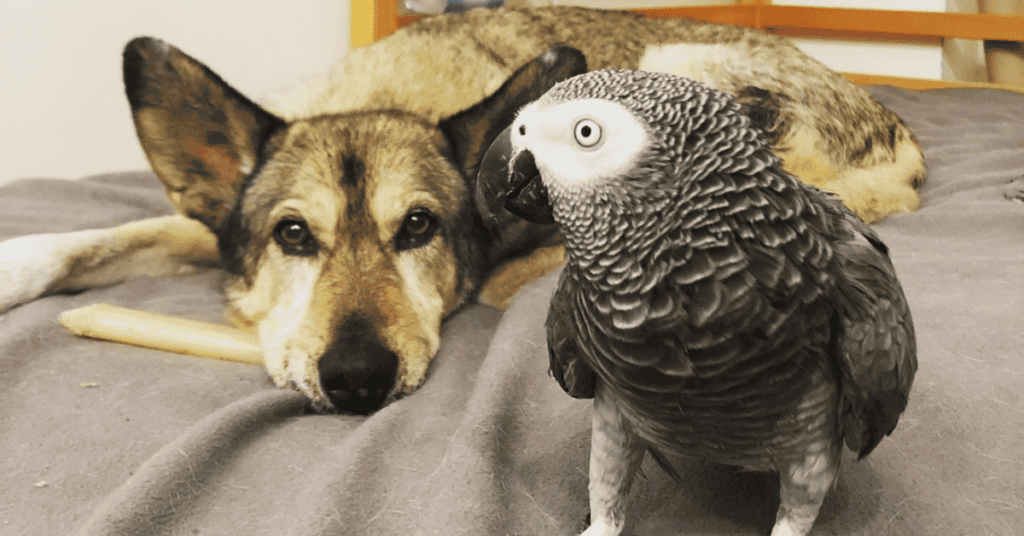
Positive reinforcement helps you teach your bird new commands while building trust. This method uses treats or praise to reward behaviors you want to see more often. Your bird learns that following commands leads to good things.
Start with basic commands like “step up” onto your finger. Hold a treat slightly above your bird’s head and say the command clearly. When your bird steps up, give the treat right away. The timing matters because your bird needs to connect the action with the reward. Clicker training can help with this.
Keep training sessions short, around 5 to 10 minutes. Birds learn better in small amounts of time. Practice the same command daily until your bird does it without hesitation.
You can use different rewards based on what your bird likes best. Most birds prefer specific treats rather then verbal praise or head scratches. Pay attention to what motivates your bird most.
Once your bird knows one command, you can teach another. Move slowly and don’t rush the process. Patience and consistency help your bird succeed. Training with positive methods creates a stronger bond between you and your bird.
Introduce new toys gradually to stimulate mental engagement
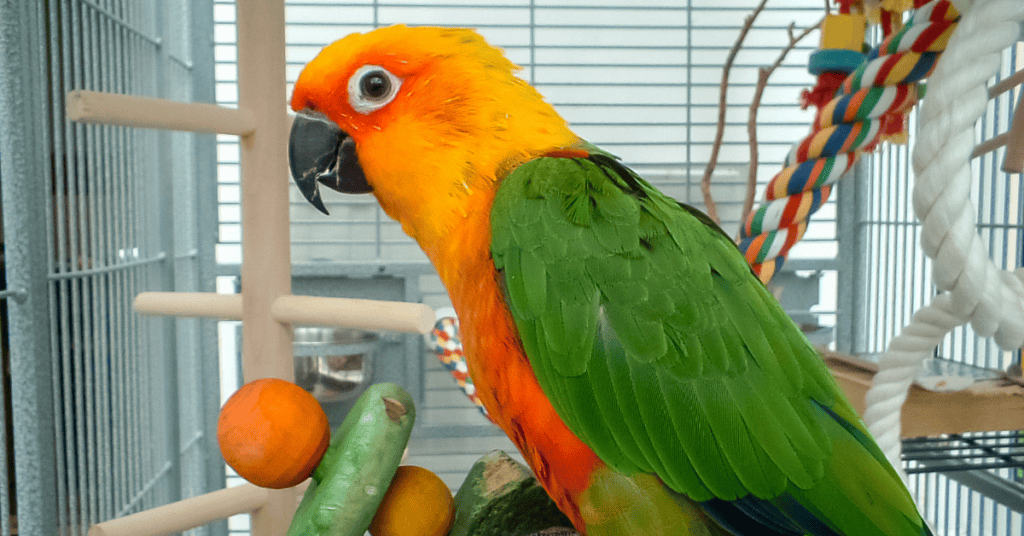
We’ve always had success with adding new toys. This will keep their mind active and engaged. However, you should introduce these items slowly to avoid overwhelming your feathered companion.
Start by placing a new toy near the cage rather than inside it. This allows your bird to observe it from a safe distance and become comfortable with its presence. After a day or two, move the toy closer to the cage entrance.
When your bird shows curiosity instead of fear, you can attach the toy to the cage bars. Choose a spot away from food and water dishes at first. Your bird needs time to explore the new item at their own pace.
Rotate toys every week or two to maintain interest. Keep three to five toys in the cage at once, then swap them out with stored items. This rotation makes old toys feel new again and prevents boredom.
Mix different types of toys in your collection. Include shreddable items, bells, puzzle toys, and natural wood pieces. Different textures and functions challenge your bird’s problem-solving skills and keep them mentally sharp.
check out these bird cage accessory ideas!
Understanding Pet Bird Body Language
Birds communicate primarily through physical movements and sounds rather than words. Learning to read these tell tale signals helps you respond to your bird’s needs and strengthens your relationship.
Common Behavioral Cues
Your bird uses specific movements to express different emotions and intentions. Head bobbing often means excitement or a desire for attention, especially in younger birds. When your bird grinds its beak, it usually signals contentment and relaxation, much like a cat purring.
Wing flapping while perched can mean your bird wants exercise or feels energetic. Eye pinning, where the pupils rapidly dilate and constrict, shows heightened emotion that could be excitement or agitation, depending on the situation.
Feather positioning tells you a lot about mood. Sleek, flat feathers indicate alertness or fear. Slightly fluffed feathers show your bird feels comfortable and relaxed. Puffed-up feathers might mean your bird is cold, sick, or trying to appear larger when threatened.
Tail movements also carry meaning. A wagging or fanning tail often shows happiness or excitement. Quick tail bobbing with each breath can signal respiratory distress and requires immediate veterinary attention.
Recognizing Comfort and Stress Signals
Comfortable birds stand on one foot while resting, tuck their head under a wing to sleep, and maintain smooth breathing patterns. They eat regularly, vocalize happily, and show interest in their surroundings. Preening behavior and allowing you near their cage indicate trust.
Stressed birds show behaviors that require your attention. Repetitive pacing, excessive screaming, or feather plucking signal anxiety or boredom. Cowering in a corner, rapid breathing, or holding wings away from the body show fear or overheating.
Watch for signs of aggression, such as lunging, hissing, or biting. These behaviors mean your bird needs space or feels threatened. Addressing stress quickly prevents health problems and behavioral issues from developing.
Building Trust Through Positive Reinforcement
Positive reinforcement helps your bird associate you with good experiences. Offering high-value, treats will make them more likely to approach you willingly. A consistent approach, paired with delicious rewards like almonds or pistachios, lays a foundation for lasting trust.
The Role of Consistency in Bonding
Your parrot needs predictable events to feel safe around you. Feed them at the same time each day, so they can get used to a routine. Birds thrive when they know what to expect from their environment and the people in it.
Keep your body language calm and movements slow every time you approach your bird’s cage. Use the same gentle tone of voice during interactions. This steady behavior shows your bird that you’re reliable and safe to be around.
Practice training sessions at the same time each day for about 10-15 minutes. Short, regular sessions work better than long, irregular ones. Your bird will start to anticipate these positive moments. And will naturally strengthen your bond over time.
Using Treats and Reward-Based Training
Identify your bird’s favorite treats by offering small pieces of different foods, such as millet, almonds, pistachios, walnuts, sunflower seeds, or small fruit chunks. Use these special treats only during training sessions to keep them valuable. Regular food shouldn’t serve as training rewards.
Reward your bird immediately when they display calm behavior or respond to your cues. The timing matters because birds connect the treat with whatever they just did.
Start with simple behaviors like stepping onto your finger or coming when called. Give the treat right away and use a happy, calm voice. Gradually increase the difficulty of tasks as your bird becomes more comfortable, but never force interactions or withhold regular meals as motivation.